


Veterinary Triage Essentials

What is triage?

"Triage" is defined by the French term "trier", which means "to sort" or "choose". It is the process of ranking the urgency of a patient's care based on the severity of their condition. When multiple emergencies occur at once, it enables speedy inspection of each patient and classification of the patients based on how urgently their injuries need to be treated. The most urgent cases have historically involved issues with the circulatory, respiratory, or nervous systems.
What are the various triage categories?
In an emergency situation where multiple patients are being treated, categorising animals and assigning colour codes is always advantageous, as it allows veterinary medical personnel to address the most life-threatening problems and critically ill patients first. Animals that are so critical and expected to die despite aggressive efforts are assigned to the BLACK category, in which they receive no treatment. Although assigning triage categories is a difficult task, it is necessary in disaster situations, even if it is impractical in a small animal emergency room.
Categories for triage
Priority 1 (Critical) RED | Priority 2 (Urgent) ORANGE/YELLOW | Priority 3 (Stable) GREEN | None (Deceased) BLACK |
Critical. The patient may survive if life-saving measures are applied. | The patient is likely to survive if simple care is given within hours. | The patient has minor injuries. Care may be delayed while other patients receive treatment. | Dead or dying patients. The patient is so severely injured that they are not expected to survive. |
The Primary Triage Survey
The following questions are always asked of the owners when patients are triaged.
1. Who witnessed the catastrophic event?
It is important to ascertain whether the traumatic event was witnessed.
2. What happened?
It is essential to know what happened to ascertain whether the patient lost consciousness or was ambulatory after the accident and to confirm whether the patient urinated or defeacated after the accident.
3. When did it happen?
It's vital to note the time between the accident and the patient's triage. If the patient is not breathing, the time of the last witnessed breath should also be recorded.
4. Where are the injuries?
The patient's injury location and whether the animal is in pain should be noted.
5. Why?
It is paramount for the owner to explain why they have presented the animal to the clinic and to determine whether there are any ongoing medical problems and whether the patient is on any chronic medication. It is also important for the owner to consider whether he or she wants to pursue treatment or cardiopulmonary cerebral resuscitation, and whether cost is a factor in the decision.
What is the ABCDE primary survey?
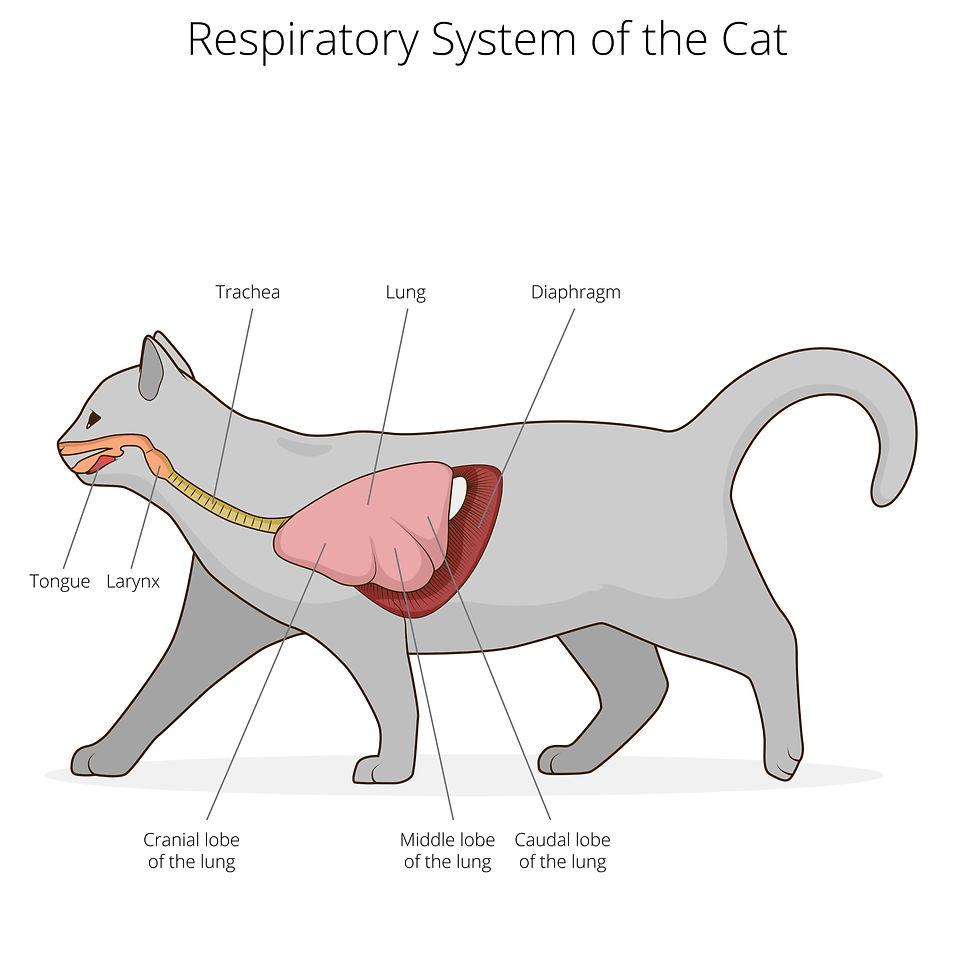
A - Airway
Does the patient have breathing difficulty? Is the patient open-mouth breathing?
Is there facial trauma making breathing difficult or obstructing the airway?
Is there fluid obstructing the airway (saliva, vomit, blood)?
Is there laryngeal paralysis, tracheal trauma, or disease?
Is there subcutaneous or pulmonary emphysema?

B - Breathing
Is the patient in respiratory distress?
What's the colour of the mucosal membranes?
Is the patient exhibiting flail chest or thoracic wall trauma?
Is there a sucking chest sound?
Is there a restrictive respiratory pattern?
Is there an obstructive respiratory pattern?
What do you hear on thoracic auscultation? Respiratory disease - clinical investigation?
Is thoracic percussion normal?
Do you hear lung sounds?
Are there crackles or wheezes?

C - Circulation
Is there obvious haemorrhage (bleeding)?
Is the patient tachycardic (fast heart rate) or bradycardic (slow heart rate)?
Does the patient have a heart dysrhythmia?
Are there audible heart murmurs? Heart disease - clinical investigation?
What is the quality of the pulses? Is the pulse synchronous?
What is the blood pressure?
What is the ECG rhythm?
Are there any fractures with extreme swelling?

D - Disability
Are there any neurological injuries? Neurological examination?
What is the patient's posture?
What is the patient's mentation?
Is the mentation deteriorating?
Is the patient responsive to external stimuli?
What is the pupil size and reactivity?

E - Examination
Is there any abdominal injury?
Are there lacerations?
Are there any fractures?
Is there any bruising?
After a brief but thorough physical examination, a minimum database, including haematology and blood biochemistry, should be performed.
The START technique
The START technique can also be used to triage emergencies:
START = Simple Triage And Rapid Assessment
The START (Simple Triage and Rapid Treatment) technique is a method for triaging and prioritising individuals during emergency situations, especially mass-casualty incidents. This technique is essential for quickly and efficiently assessing the condition of multiple casualties in a disaster or emergency setting. This method employs a systematic, standardised approach to emergency care, aiming to minimise missed treatments and identify issues across all organ systems and anatomical regions.
Triage Categorization
Veterinary professionals typically use a colour-coded system, along with START, to prioritise patients.
Red (critical): immediate, life-threatening issues (e.g., active seizures, respiratory arrest, severe haemorrhage). Treatment must start within 0–5 minutes.
Orange/Yellow (Urgent): Potentially unstable but not immediately dying (e.g., large open wounds, non-productive retching, severe pain). Treatment within 15–60 minutes.
Green (Stable): Non-life-threatening (e.g., minor lacerations, lameness). Can wait 1–2 hours.
Black (Deceased): No heartbeat or respiration; often used to denote "dead on arrival" (DOA)

The first step is to ensure personal safety. Triage team members should quickly assess the situation for any immediate threats, such as ongoing fires, gas leaks, or unstable structures, and proceed only when it is safe to do so.
Initial Triage
The triage team assesses each individual in the disaster area and quickly categorises them in one of the colour-coded categories based on their condition. Immediate (Red) for patients with life-threatening injuries requiring immediate medical attention to survive, making them the first priority for treatment and transport; Delayed (Orange/Yellow) for patients with serious but stable injuries needing urgent medical care, who may be moved away from the immediate treatment area to await care; Minor (Green) for patients with minor injuries or those who can walk and have only minor complaints, requiring medical attention that is not urgent; and Expectant (Black) for patients with injuries so severe that they are not expected to survive even with treatment, allowing resources to be prioritised for patients with a higher likelihood of survival.
Reassessment
After the initial triage, the team may need to reassess patients, as their conditions can change, with the priority being to provide treatment and transport to those in the "Immediate" and "Delayed" categories.
Treatment and Evacuation
Veterinary medical personnel and first responders provide on-site treatment to those in the "immediate" category, while patients in the "delayed" category are stabilised and prepared for transportation to veterinary medical facilities. Those in the "minor" category receive care, although their treatment can be deferred if necessary.
The Secondary survey

After completing the initial primary survey and addressing any immediate life-threatening issues, the next step is to conduct a secondary survey. This thorough evaluation involves two key components:
a comprehensive examination of the patient, and
a detailed history-taking process.
The full examination allows for an in-depth assessment of the patient's condition, while gathering a detailed history provides crucial context and background information. Additionally, it is essential to reassess the initial treatments administered, ensuring they are effective and making any necessary adjustments based on findings from the secondary survey. Delivering optimal patient care and considering all aspects of the patient's health requires this systematic approach.
Which conditions are veterinary medical emergencies?
In the context of veterinary medicine, there are several conditions in animals that require urgent transportation to a medical facility, and the following are some that warrant immediate medical attention and intervention for animal patients:
1. Severe Trauma

Animals that have suffered severe trauma from accidents, falls, or attacks may have internal injuries that are not immediately visible. This can include broken bones, internal bleeding, or organ damage.
2. Respiratory Distress

Any animal experiencing difficulty breathing, rapid or laboured breathing, or choking should be immediately transported to a medical facility. This could be due to various reasons, such as airway obstruction, allergic reactions, or respiratory diseases.
3. Poisoning

If you suspect an animal has ingested a toxic substance, it's crucial to seek immediate veterinary care. Different toxins can have various effects, and early treatment can be life-saving.
4. Heatstroke

Animals, especially dogs, can suffer from heatstroke in hot climates. Signs include excessive panting, drooling, and an elevated body temperature. Rapid cooling and veterinary care are essential to prevent organ damage.
5. Seizures

Animals experiencing seizures need immediate attention. Seizures can be caused by various underlying conditions, including epilepsy, toxins, or neurological disorders.
6. Bloat (Gastric Dilatation-Volvulus)

This life-threatening condition is common in large-breed dogs. It involves the stomach twisting on itself, which can cut off the blood supply and lead to shock. Immediate surgery is required.
7. Labor Complications (Dystocia)

In pregnant animals, complications during labour can be dangerous for both the mother and her unborn offspring. If labour is prolonged or there are difficulties during delivery, veterinary assistance is crucial.
8. Uncontrolled Bleeding

Any severe bleeding, whether from an injury or after a surgical procedure, should be addressed urgently to prevent excessive blood loss.
9. Eye Injuries

Eye injuries, such as corneal ulcers or foreign bodies, can cause significant pain and damage. Immediate treatment is necessary to prevent complications.
10. Allergic Reactions

Anaphylactic reactions to insect stings, medications, or vaccines can be life-threatening. Animals experiencing 6severe allergic reactions need immediate intervention with medications like epinephrine.
11. Collapse

When an animal collapses, it typically means that the pet has lost consciousness and may be unresponsive. This can be caused by various underlying issues, such as trauma, cardiovascular problems, toxicity, or severe illness. It is crucial to determine the cause of collapse and provide appropriate treatment, which may include administering oxygen, intravenous fluids, and addressing the underlying problem.
12. Unconsciousness

Unconsciousness in animals is a state in which the pet is unresponsive to external stimuli and lacks normal cognitive function. Common causes of unconsciousness can include head trauma, seizures, severe hypoglycaemia, or neurological disorders. Immediate assessment and diagnosis are vital to address the specific cause and initiate appropriate treatment.
13. Urethral Obstruction
Urethral obstruction is a critical emergency in male cats, although it can also occur in dogs. This condition involves a urethral blockage that can prevent the affected animal from urinating. It is most commonly associated with the formation of urinary stones or urinary crystals. Urethral obstruction can quickly lead to life-threatening complications, such as kidney damage and electrolyte imbalances. Immediate interventions, including urinary catheterisation or surgery, are necessary to remove the obstruction and restore normal urine flow.

In these emergency situations, it's important that action is prompt, a thorough examination is conducted, and decisions are made based on the specific case at hand.
It's important to keep in mind that early intervention can significantly improve the prognosis for animals with these conditions.
What are the priorities for life-threatening problems?
Arterial bleeding.
Respiratory system.
Cardiovascular system.
Transfusion or haemorrhage control.
Neurological system.
Musculoskeletal system.
Abdominal injuries.
References
American College of Emergency Physicians. (2005). Simple Triage and Rapid Treatment (START). Retrieved from https://www.acep.org/globalassets/new-pdfs/policy-statements/simpletriageandrapidtreatment2005.pdf
Benson, M., Koenig, K. L., & Schultz, C. H. (2007). Disaster Triage: START, then SAVE—a new method of dynamic triage for victims of a catastrophic earthquake. Prehospital and Disaster Medicine, 22(4), 295-302.
Nelson, R. W., & Couto, C. G. (2009). Small Animal Internal Medicine. Mosby.
Greene, C. E. (2012). Infectious Diseases of the Dog and Cat. Elsevier Health Sciences.
Leavens, T. C. (2003). Urinary Obstruction. Clinical Techniques in Small Animal Practice, 18(4), 232-239.
Lisciandro G R (2011) Abdominal and thoracic focused assessment with sonography for trauma, triage and monitoring in small animals. J Vet Emer Crit Care 21 (2), 104-122 PubMed.
Faggella A M (1994) First Aid, Transport, and Triage. Vet Clin North Am Small Anim Pract 24 (6), 997-1014 PubMed.
Kovacic J P (1994) Management of life-threatening trauma. Vet Clin North Am Small Anim Pract 24 (6), 1057-1094 PubMed.
Lisciandro G R (2014) Focused ultrasound techniques for the Small Animal Practitioner. Wiley.
Wingfield W E & Lannan L (2002) Disaster preparedness, response, and triage. In: The Veterinary ICU Book. Eds W E Wingfield and M R Raffee. Teton New Media, Jackson Hole, WY. pp 1226-1246.
Wingfield W E (2001) Disaster preparedness and the veterinarian. In: Veterinary Emergency Secrets, 2nd edition. Ed. W E Wingfield. Hanley and Belfus, Philadelphia, pp 107-110.
Wingfield W E (2001) Treatment priorities in trauma. In: Veterinary Emergency Secrets, 2nd edition.Ed. W E Wingfield. Hanley and Belfus, Philadelphia. pp 53-56.
Kirby R (1998) Small Animal Emergency and Critical Care Medicine. Self-assessment color review. Iowa State University Press.


Comments